
What is a DOT Physical?
A Complete Guide for Georgia Drivers
Do you know what’s involved in a DOT physical exam? This mandatory health check determines if you’re fit to operate commercial vehicles weighing over 10,000 lbs. You must pass this physical to legally drive commercial vehicles. The exam repeats every two years for most drivers. Your examiner checks vision, hearing, blood pressure, and overall health to confirm you can handle the demands of professional driving. You’ll learn everything about the exam process and how to prepare for success.
What You Need to Know
Starting your commercial driving career in Georgia? The DOT physical stands between you and your new career. Here’s what matters most:
- Every commercial driver needs one – Operating vehicles over 10,000 lbs requires a DOT physical, renewed every two years to stay legal on the road.
- Five areas get tested – During the exam, you’ll be tested on your vision, hearing, blood pressure, urinalysis, and other body systems.
- Preparation makes the difference – Bring your driver’s license, complete medication list, and medical records for conditions like diabetes or sleep apnea.
- Only certified examiners count – FMCSA National Registry medical examiners conduct the exam, and you’ll receive a Medical Examiner’s Certificate that works alongside your CDL.
- Some medications disqualify you – Narcotics and benzodiazepines will prevent approval, so talk with your doctor before scheduling if you have concerns.
Your DOT physical protects you and everyone else on Georgia’s roads. Most healthy people pass this required exam without problems when they prepare properly.
What is a DOT Physical?
The first thing to keep in mind is that you need a DOT physical exam to drive commercially. This medical examination verifies that you meet specific standards required to operate a commercial motor vehicle. The Federal Motor Carrier Safety Administration (FMCSA) mandates this assessment to confirm you’re physically, mentally, and emotionally capable of handling the demands of commercial driving. This applies to semi-trucks, buses, and any vehicle transporting hazardous materials.
Only licensed medical examiners listed on the FMCSA National Registry can conduct your exam. These certified professionals include doctors of medicine, physician assistants, and advanced practice nurses. Pass the exam and you receive your medical card. This certificate proves you meet federal physical qualification standards to drive a commercial vehicle.
Why does this matter for your driving career? The examination protects both you and everyone sharing the road. Operating large commercial vehicles requires quick decision-making in complex situations, controlling oversized steering mechanisms, and maneuvering in busy areas. You may face demanding schedules, irregular sleep patterns, and extended time away from home. The DOT physical ensures you can handle these responsibilities safely. Without this certification alongside your CDL, you cannot legally operate a commercial vehicle.
What Happens During Your DOT Physical?
Your medical examiner tests five key areas during the DOT physical. Each test follows strict federal guidelines to determine if you’re qualified to drive commercially.
Vision Test
Vision comes first. You need at least 20/40 acuity in each eye with or without corrective lenses. The examiner checks for 70 degrees of peripheral vision in the horizontal meridian measured in each eye. You must recognize and distinguish traffic signal colors: red, green, and amber.
Hearing Exam
Hearing gets tested next. You need to perceive a forced whisper from at least 5 feet away, with or without a hearing aid. This equals an average hearing loss in the better ear of less than 40 decibels.
Blood Pressure
Blood pressure and pulse rate follow. Your blood pressure must stay under 140/90 to qualify for a two-year certificate. The examiner takes at least two readings to confirm your numbers.
Urine Sample
You’ll provide a urine sample for urinalysis. This screens for underlying conditions like diabetes by checking for protein, blood, and sugar in your urine. This is not a drug test.
Physical Exam
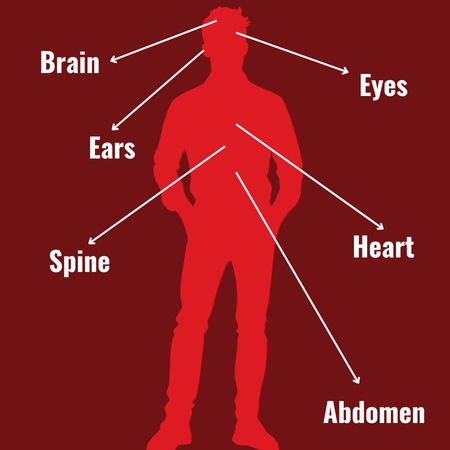
The physical examination covers twelve body systems: your general appearance, eyes, ears, mouth and throat, heart, lungs, abdomen, extremities, spine, and neurological function. Once you complete all tests successfully, the examiner issues your Medical Examiner’s Certificate.
Want to Pass Your DOT Physical on the First Try?
Smart preparation makes all the difference. You don’t want delays in getting your medical certification when you’re ready to start your truck driving career.
Gather your paperwork first. Bring your valid driver’s license and write down all your current medications with exact dosages. Wear your glasses, contacts, or hearing aids to the appointment if you use them while driving.
Got specific medical conditions? You’ll need extra documentation. Diabetes requires your most recent A1c results from your doctor. Sleep apnea means bringing CPAP compliance reports showing at least 4 hours of use per night on 70% of nights for the past 30 days. Taking blood thinners like warfarin? Get your recent INR test results.
Heart problems need special attention. Your cardiologist must provide clearance stating you can safely operate a commercial vehicle, plus results from your most recent exercise tolerance test within the past 2 years. Mental health conditions like depression or anxiety require a provider’s note confirming your medication compliance and ability to drive without daytime sleepiness.
Get plenty of sleep the night before. Drink water to stay hydrated, but skip the extra coffee – caffeine elevates blood pressure. Cut back on salty foods in the days before your appointment to help control those blood pressure readings. Don’t use the bathroom right before your exam since you’ll need to provide a urine sample.
Certain medications will disqualify you automatically. Narcotics for chronic pain and benzodiazepines are deal-breakers. Not sure about your medications? Talk to your regular doctor before scheduling your DOT physical.
Conclusion
You now have everything you need to understand what a DOT physical consists of and how to prepare for yours. The exam may seem intimidating at first, but with proper preparation and the right documentation, you can pass it smoothly. Remember to bring all necessary medical records, stay hydrated, and get enough rest beforehand. Once you pass, you’ll be one step closer to starting your truck driving career. Good luck with your exam!
FAQs
What components are included in a DOT physical examination?
A DOT physical includes:
- Vision and hearing tests
- Blood pressure and pulse rate measurements
- A urinalysis to screen for underlying conditions
- A comprehensive physical examination of twelve body systems
Can drivers with diabetes obtain a DOT medical certificate?
Yes, drivers with diabetes can pass a DOT physical and receive their medical certificate if their condition is well-managed. You must demonstrate stable blood sugar control and provide your most recent A1c results from your treating provider.
What disqualifies someone from passing a DOT physical?
Several conditions can disqualify you from passing, including:
- Blood pressure above 140/90
- Vision worse than 20/40 acuity in each eye
- Hearing loss greater than 40 decibels in your better ear
- Use of disqualifying medications such as narcotics for chronic pain or benzodiazepines
- Uncontrolled medical conditions that affect your ability to drive safely
How often do commercial drivers need to renew their DOT physical certification?
Commercial drivers typically need to renew their DOT physical certification every two years. However, if you have certain medical conditions, your medical examiner may issue a certificate for a shorter period.
What documents should you bring to your DOT physical appointment?
You should bring:
- Your valid driver’s license
- A complete list of current medications with dosages,
- Any corrective devices you use while driving, such as glasses or hearing aids
- List of any specific medical conditions with documentation