
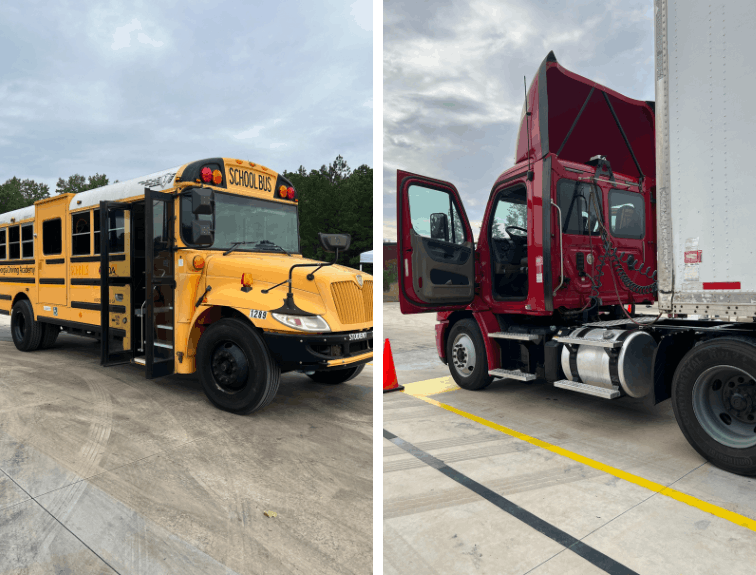
What Can I Do With a CDL?
A Comprehensive List of Career Options
Ready for a career that offers real stability? A CDL opens doors far beyond traditional trucking, giving you access to diverse opportunities across multiple industries.
Want variety in your career choices? CDL jobs range from long-haul routes to local delivery, bus driving to specialized transport, giving you options that fit your lifestyle and goals. Many positions pay premium rates for hands-on work or specialized skills.
Your commercial driver’s license creates multiple pathways in transportation. Whether you prefer cross-country hauling or staying close to home, you’ll discover exactly which opportunities match your needs. This guide shows you the specific jobs available with your CDL and what each career path offers.
What Can a CDL Do for You?
Your commercial driver’s license creates pathways to careers that match your priorities and income goals.
- Class A positions pay you the most: Tanker drivers earn up to $96,000 yearly. HazMat transport pays $4,000-$6,000 weekly for qualified drivers
- Class B jobs get you home nightly: Local delivery, bus routes, and waste management offer regular schedules with steady benefits and predictable hours
- Alternative careers use your experience differently: Becoming a CDL instructor, owner-operator, or heavy equipment operator can give your skills new direction
- Endorsements boost your paycheck: HazMat, tanker, and specialized certifications command premium wages with the additional required training for endorsements
The transportation industry provides steady work and advancement opportunities across these different paths. Your CDL investment opens doors to long-term career success in multiple industries
Class A CDL Careers
Class A CDL holders access the highest-paying driving opportunities available. This license lets you operate vehicles a variety of vehicles, and there are several specialized career paths that can boost your earning potential.
Logging Truck Driver
Logging truck drivers haul harvested timber from forests to processing mills. This specialized work demands skills beyond standard driving experience.
Daily tasks include:
- Securing logs properly on truck beds
- Hauling timber across varied terrain and distances
- Following forestry regulations and safety requirements
- Keeping vehicles maintained for dependable operation
Enjoy working independently? Logging drivers spend considerable time alone on the road. The job involves physical demands beyond driving – you’ll sometimes handle loading and unloading cargo. Most positions require additional training through community college or specialized truck driving schools after earning a Class A CDL.
Hazmat
Want premium pay for your driving skills? Hazardous Materials transport offers some of the industry’s highest wages. You’ll learn to safely haul potentially dangerous substances, including chemicals, flammable liquids, and regulated materials.
Hazmat positions command top dollar because of the extra training and responsibility involved. Requirements typically include:
- Hazmat endorsement (required)
- Minimum 2 years CDL A experience
- Clean driving history
Detail-oriented drivers who can handle the responsibility of transporting dangerous materials find excellent earning opportunities in this field.
Tanker Driver
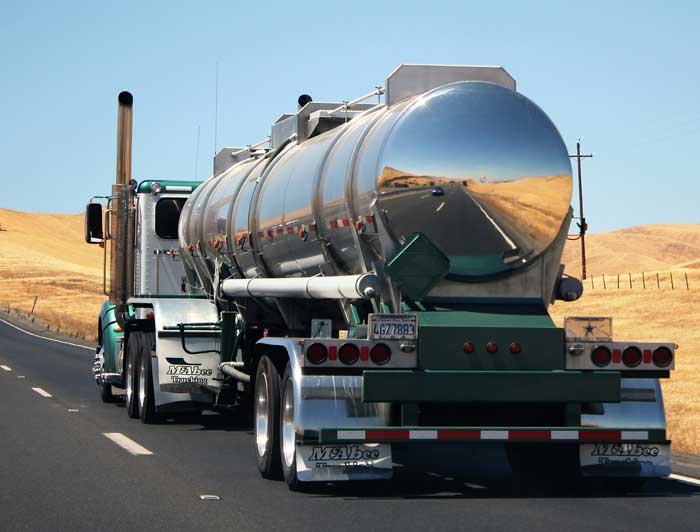
Tanker driving gives you hands-on variety beyond typical trucking work. You’ll transport liquid or dry bulk materials in specialized tank trailers, with loading and unloading processes using pumps and hoses.
Tanker drivers haul diverse cargo:
- Water and non-hazardous liquids
- Food-grade substances like sweeteners
- Various chemicals (hazardous and non-hazardous)
- Fuels and oils
Earnings potential impresses most drivers, and offer unique experiences depending on the truck load. One experienced tanker driver from Schneider explains: “My favorite thing about being a tanker driver is that it’s challenging. Every day is something different” [3].
You’ll need a Class A CDL plus tanker endorsement, with employers providing specialized training. Successful tanker drivers pay strong attention to detail and feel comfortable with the technical aspects of loading and unloading processes.
Refrigerated (Reefer) Driver
Reefer driving involves hauling temperature-sensitive goods in trucks equipped with sophisticated refrigeration systems. These vehicles maintain precise temperatures throughout transit.
You’ll typically transport:
- Food and beverages
- Pharmaceuticals
- Flowers
- Agricultural products
- Temperature-controlled chemicals
This career path offers distinct advantages. Reefer drivers enjoy consistent freight demand since food, medical supplies, and essential goods need continuous transportation regardless of economic conditions. The specialized nature of temperature-controlled transport often pays higher rates than standard trucking [4].
Detail-oriented drivers who don’t mind the constant hum of cooling systems find reefer trucking offers excellent earning potential.
Flatbed Truck Driver
Flatbed driving provides the most physically active option among Class A CDL careers. Without walls or roof, flatbeds require you to secure loads properly using straps, chains, and tarps.
You’ll typically haul:
- Construction materials
- Machinery and equipment
- Lumber and building supplies
- Oversized or irregularly shaped loads [1]
Flatbed driving gets you out of the cab regularly for more active work. You’ll develop diverse skills working with different products and operating specialized equipment like forklifts or cranes for loading and unloading [5].
Enjoy problem-solving, physical activity, and facing different challenges daily? Flatbed driving might fit your Class A CDL career perfectly. The constant variation in loading techniques and freight configurations means no two days look exactly alike, even when hauling similar products. Flatbed driving demands careful attention to securing loads properly, especially since cargo often involves expensive, fragile, or awkwardly shaped items [5]. Weather conditions can complicate tarping and load-securing processes.
Class B CDL Jobs
Want a job with regular hours and home time every night? Class B positions offer exactly that advantage. These jobs involve operating vehicles weighing over 26,000 pounds that may tow trailers under 10,000 pounds GVWR [7].
Bus or Shuttle Drivers
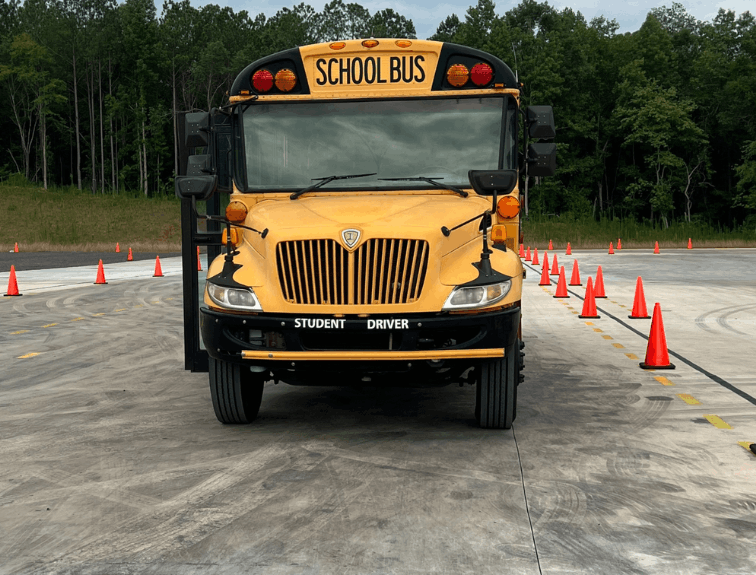
Shuttle driving provides stable work with predictable schedules. You’ll transport passengers along set routes with regular stops, typically working for airports, hotels, universities, or tourism companies.
Daily tasks include:
- Safely transporting passengers between locations
- Following scheduled routes and timetables
- Helping passengers with luggage
- Keeping vehicles clean and conducting basic inspections
- Collecting fares and answering questions
Requirements are straightforward. You’ll need a Class B CDL with a passenger endorsement for vehicles carrying 16 or more passengers. Most employers train new drivers on the job. Strong customer service skills and mechanical aptitude help you succeed.
Delivery Driver
Delivery driving offers excellent opportunities for local routes and regular hours. You’ll operate box trucks for various industries, from food service to furniture delivery [2].
Major employers actively recruit Class B drivers for positions known as less-than-truckload driving, where drivers complete local and linehaul routes while returning home each night.
Predictable schedules make delivery driving attractive for those wanting consistent home time while enjoying commercial driving benefits.
Tow Truck Driver
Tow truck driving often means helping stranded motorists [6]. Medium-duty trucks capable of towing vans and small trucks require a Class B CDL when the tow truck weighs 26,001 pounds or more [6]. You need this license when:
- Operating the tow truck without a vehicle attached
- Towing vehicles weighing 10,000 pounds or less [6]
This career suits drivers who enjoy road variety, possess mechanical skills, and take satisfaction in helping others. While hours aren’t traditional 9-to-5, the work offers independence and purpose.
Concrete or Dump Truck Driver
Concrete and dump truck operation provides solid career opportunities for Class B holders. These positions involve construction site work and material delivery.
Dump truck drivers transport materials to construction sites and plant locations [8]. You’ll safely operate end dump trucks while delivering materials throughout your service area. Flexibility matters since weather and business conditions may require overtime hours.
Construction companies regularly need these specialized drivers:
- Ready-mix concrete operations
- General contractors
- Material supply companies
- Municipal public works
The physical nature and specialized skills make these drivers valuable. Many drivers appreciate combining driving with active work while contributing to infrastructure projects.
Waste Management Driver
Waste collection offers stable careers with consistent routes. Collection drivers operate waste and recycling trucks, serving homes, businesses, and public areas on regular schedules [9].
This position fits drivers who are physically capable, good with time management, and enjoy independent work. Key benefits include:
- Outdoor work opportunities
- Physical activity
- Work independence
Drivers get home every night while supporting sustainability. They focus on workplaces, like Waste Management, where employees “bring their whole selves to work and build meaningful careers” [10].
Class B positions provide drivers with regular schedules and daily home time, offering diverse career options with competitive pay.
Class B positions balance earning potential with quality of life, making them great career options for those wanting commercial driving careers without extended time away from home.
CDL Careers You May Not Have Considered
Your CDL opens doors to specialized careers most drivers never consider. These alternative paths often provide better work-life balance, advancement opportunities, and stable income while using your commercial driving experience.
CDL Instructor
Experienced drivers are retiring faster than new ones enter the field. This creates strong demand for qualified CDL instructors who want predictable schedules and the satisfaction of teaching others.
To become a CDL instructor, you typically need:
- At least 2 years of professional driving experience
- Clean driving record (no DOT reportable accidents in the last 12 months)
- Solid fuel efficiency and on-time service history
- Completion of safety certification courses [11]
Enjoy working with people and sharing knowledge? This career may suit drivers with strong communication skills.
Owner-Operator Career
Owner-operators are self-employed drivers who own or lease their own trucks and operate their own trucking businesses, offering an independence that other careers don’t.
The financial potential is substantial. Many owner-operators earn between $50,000 and $150,000 annually depending on their experience, skill level, and business management abilities. Those who maintain detailed records may qualify for tax deductions that increase their take-home pay [13].
This career path requires both driving skills and business knowledge. You’ll track income, expenses, taxes, fuel costs, and maintenance while building client relationships.
Owner-operators choose their own loads, often using load boards to find work [13]. This independence means greater responsibility for negotiating rates with brokers and managing all business operations.
Being an owner-operator is more than a career—it’s a lifestyle that may require extended time away from home, especially for over-the-road truckers. Build emergency savings and thoroughly research all expenses before starting [12].
Heavy Equipment Operator
Your CDL qualifies you to operate specialized construction machinery. This opens doors to careers in construction, mining, and infrastructure development while contributing to tangible projects.
CDL requirements for heavy equipment operators depend on equipment type and weight:
- Machinery with gross vehicle weight rating (GVWR) exceeding 26,000 pounds requires a CDL [14]
- Equipment that can lift more than 2,000 pounds requires additional OSHA certification [14]
Heavy equipment operation combines CDL skills with specialized technical knowledge, potentially leading to higher compensation. Many operators appreciate regular schedules with nights at home—a significant benefit for work-life balance.
These alternative CDL careers—instructor, owner-operator, and heavy equipment operator—show that your commercial driver’s license opens doors beyond traditional trucking roles. Each path offers unique advantages, from teaching the next generation to business independence to technical challenges.
Career Comparison Overview
Need to compare your options? Here’s how Class A, Class B, and alternative CDL careers stack up in terms of earning potential, requirements, and benefits.
Conclusion
A CDL represents more than just a license—it’s your gateway to diverse career paths across multiple industries.
Your CDL gives you the flexibility to select a path aligned with your lifestyle preferences, income goals, and professional aspirations. As you consider your options, remember that the commercial driving industry continues to offer stability and growth opportunities across all these diverse career paths.
Ready to explore options that better match your lifestyle preferences, income goals, and professional aspirations? Take the first step today with Georgia Driving Academy.
FAQs
What is the highest paying job I can get with a CDL?
While earnings vary, specialized roles like tanker drivers can earn up to $96,000 annually. Owner-operators have the potential to earn between $50,000 and $150,000 per year, depending on their business management skills and experience.
Are there CDL jobs that offer regular home time?
Yes, many Class B CDL jobs, such as local delivery drivers, bus drivers, and waste management operators, typically offer regular schedules with daily home time. Some specialized Class A positions, like certain regional trucking jobs, also provide more frequent home time than traditional long-haul routes.
What additional endorsements can enhance my CDL career options?
Depending on your career goals, valuable certifications include:
- Hazardous Materials
- Tanker
- Passenger
- Heavy Equipment Operation
How can I transition from long-haul trucking to a local CDL career?
To transition to a local CDL career, consider exploring opportunities in industries like:
- Waste management
- Local delivery services
- Construction
- Public transit
You might also look into becoming a CDL instructor or pursuing specialized roles that require your driving experience but offer more regular schedules.
References
[1] – https://meltontruck.com/blog/cdl-jobs/
[2] – https://schneiderjobs.com/blog/what-can-you-do-with-cdl
[3] – https://schneiderjobs.com/truck-driving-jobs/driving-opportunities/tanker
[4] – https://www.brakebushtransportation.com/Blog/BenefitsRefrigeratedTrucking
[5] – https://schneiderjobs.com/blog/is-flatbed-trucking-worth-it
[6] – https://driverresourcecenter.com/how-to-become-a-tow-truck-driver/
[8] – https://www.kienstrareadymix.com/new-page-60
[9] – https://www.sourgum.com/the-sour-scoop/11-rewarding-careers-in-the-waste-industry/
[10] – https://www.wm.com/us/en/inside-wm/careers
[11] – https://www.primeinc.com/trucking-blogs/how-to-become-a-cdl-instructor/
[12] – https://truckstop.com/blog/15-steps-to-become-a-successful-owner-operator/
[13] – https://otrsolutions.com/blog/owner-operator-guide-how-to-start-a-owner-operator-trucking-business