
How Long Does CDL Training Take?
An Accurate Training Timeline with GDA
CDL training length depends on three main factors: the class of license being pursued, whether a student attends full-time or part-time, and the specific school’s program structure. Most full-time programs run between three and eight weeks. Understanding each variable helps prospective drivers set realistic expectations before enrolling.
The CDL Licensing Process: An Overview
Before training begins, candidates must obtain a Commercial Learner’s Permit (CLP) from their state. The CLP requires passing a written knowledge test. Federal regulations require applicants to hold a CLP for a minimum of 14 days before they can take the CDL skills test.
Since February 2022, all first-time CDL applicants must also complete Entry-Level Driver Training (ELDT) through a provider registered with the Federal Motor Carrier Safety Administration (FMCSA). The ELDT requirement covers three areas:
- Theory (classroom)
- Behind-the-wheel range training
- On-road driving.
Notably, FMCSA does not set a minimum number of hours for ELDT. Instead, schools must document that each student has completed all required topics and demonstrated proficiency in required skills.
The full timeline from CLP application to CDL in hand typically looks like this:
- Pass the written knowledge test and receive the CLP
- Wait the mandatory 14-day CLP holding period
- Complete ELDT-compliant training through a registered provider
- Pass the CDL skills test (pre-trip inspection, basic vehicle control, and on-road driving)
- Receive the CDL from the state
Testing availability can affect the total timeline. Some schools offer on-site third-party testing, which speeds things up. Others require students to schedule at a state-run facility, which may add days or weeks depending on local appointment availability.
Class A CDL Training: How Long It Takes
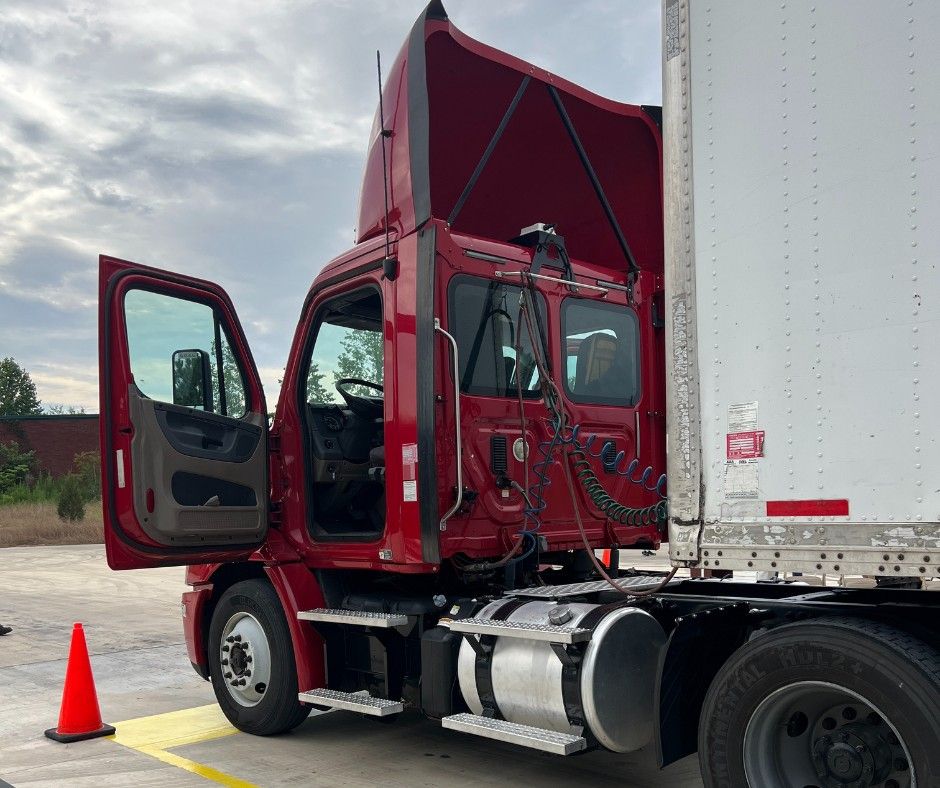
A Class A CDL allows a driver to operate combination vehicles, including tractor-trailers, where the towed unit exceeds 10,000 pounds GVWR. It is the license required for most over-the-road and long-haul trucking jobs.
Full-time Class A programs typically run four to eight weeks. Programs that deliver training five days per week at roughly 40 hours per week generally land in the four-to-five-week range. Programs with fewer daily hours spread the same content over more weeks.
A common benchmark in the industry is 160 hours of total training, though many schools offer 180 hours or more to allow additional behind-the-wheel time.
The training hours are divided across three areas:
- Theory/Classroom: Covers federal and state regulations, vehicle systems, pre-trip inspection procedures, and safe driving practices. This phase typically occupies the first one to two weeks of a full-time program.
- Range (Behind-the-Wheel): Students practice controlled maneuvers on a driving range, including backing, offset backing, alley docking, and parallel parking. Instructors assess proficiency before advancing students to road driving.
- On-Road Driving: Students drive on public roads with an instructor. This phase builds real-world skills including highway merging, turns, urban driving, and managing traffic.
Part-time or evening Class A programs cover the same material but spread it over a longer calendar period, sometimes up to several months.
Class B CDL Training: How Long It Takes
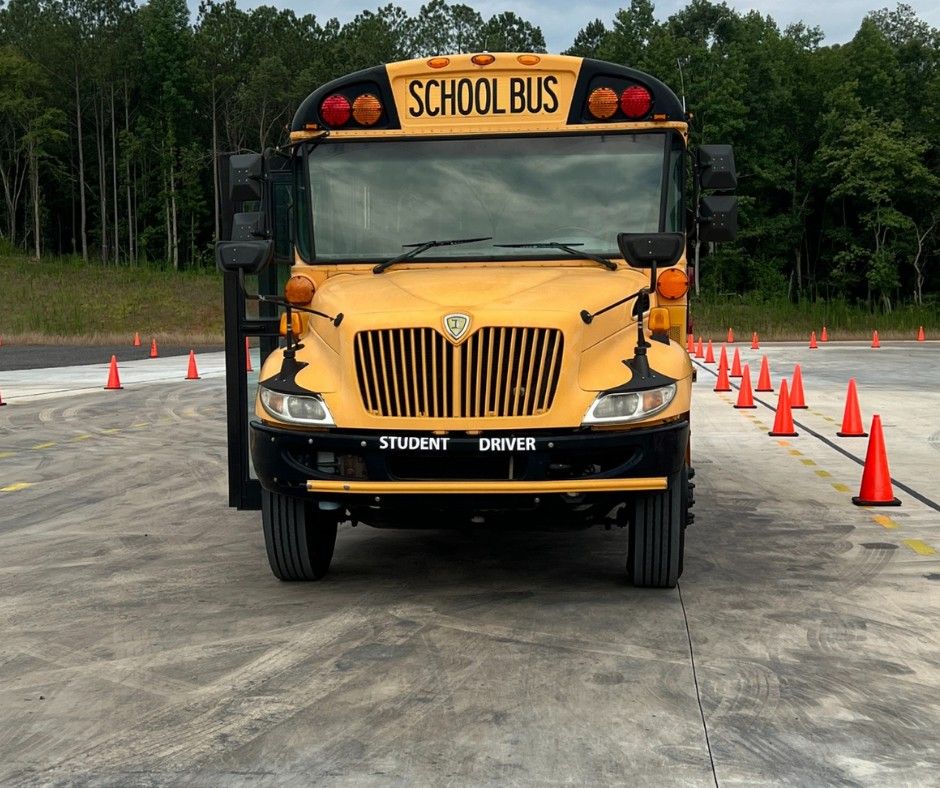
A Class B CDL authorizes a driver to operate a single heavy vehicle not pulling a large trailer. Common Class B vehicles include straight trucks, box trucks, dump trucks, city buses, and school buses.
Class B programs are shorter than Class A programs. Full-time training generally runs two to four weeks.
The three-part structure of classroom, range, and road training is the same as Class A, but the vehicle handling requirements are less complex since students are not operating articulated vehicles.
What Affects Training Length
Several factors can make a program run shorter or longer than average:
Full-time vs. part-time enrollment. Full-time programs, typically Monday through Friday during daytime hours, are the fastest route. Part-time and evening programs serve students who need to keep working during training. The total hours remain the same; the calendar just stretches further.
Skills proficiency. Because ELDT is proficiency-based rather than hour-based, a student who demonstrates mastery of required skills can move through the program efficiently. Students who need additional practice in specific areas may take more time.
Testing availability. After completing training, students must schedule their CDL skills test. If a school offers on-site third-party testing, this can happen quickly. At facilities that use state DMV scheduling, wait times vary by location and season.
Endorsements. Adding endorsements to a CDL requires additional study and, in some cases, additional skills testing. Common endorsements include:
- H (Hazardous Materials): Requires a separate written test and a TSA background check. Processing the background check alone can take several weeks.
- N (Tank Vehicles): Written test only.
- P (Passenger): Written test and skills test in a passenger vehicle.
- S (School Bus): Written test and skills test.
- X (Hazmat + Tanker combined)
Drivers can add endorsements after initial licensing, so many schools focus on the base CDL first and treat endorsements as a separate step.
How Long Before Starting a Driving Job?
Most students who complete full-time Class A training and test promptly are ready to work within five to seven weeks of their start date. That window accounts for the 14-day CLP hold, a four-to-five-week training program, and a few days for skills testing and license processing.
Class B graduates generally reach the same point in three to four weeks.
Some employers, particularly large carriers, have onboarding processes that add another week or two before a new driver makes their first solo run.
Frequently Asked Questions
How long does it take to get a CDL?
Most full-time students complete training and earn a CDL within four to seven weeks, depending on the license class and school program. Part-time students take longer because the same hours are spread across more weeks.
Does the 14-day CLP waiting period count toward training?
Yes. Most schools structure their programs so classroom instruction fills the first two weeks, allowing the CLP holding period and theory training to run at the same time. Combination vehicles requires more complex skills.
Can CDL training be completed faster than four weeks?
Some programs advertise completion in three weeks or less. Those programs usually run longer daily hours to fit the same content into a shorter calendar. The number of training hours does not change; the schedule is just compressed.
Does adding endorsements extend training time?
Yes, in most cases. Endorsements like Hazardous Materials (H) require an additional written test and a federal background check, which can take several weeks.
What happens if a student does not pass the CDL skills test on the first attempt?
Students can retake the test. State rules on waiting periods between attempts, and the number of allowed retakes vary. Failing one section, such as backing, does not always require retesting the entire skills exam.
How long does a CLP stay valid?
A Commercial Learner’s Permit is typically valid for 180 days. If a student has not obtained their CDL before the CLP expires, they must reapply. ELDT requirements still apply when the new CLP is issued.
Does prior driving experience shorten CDL training?
Experience driving large trucks or operating heavy equipment may help a student learn some skills more quickly, but it does not reduce the required ELDT curriculum. All entry-level CDL applicants must complete the same topic areas regardless of prior experience.